Access Routes That Stay Workable
Right of Way Maintenance in Leonard for utility corridors and rural properties needing vegetation management
Utility companies inspect pipelines and power lines along corridors that disappear under brush if vegetation goes unmanaged, while rural property owners lose access to fence lines, drainage paths, and boundary areas when trees and undergrowth reclaim cleared sections. Reichert Excavating & Land Services LLC provides right of way maintenance across northern Minnesota, cutting brush, managing vegetation, and clearing overgrown sections that restrict access and visibility for utility work, property management, and safety inspections. The work restores workable routes through wooded and rural properties where seasonal growth quickly obscures access paths and creates obstacles for equipment and personnel.
Right of way maintenance involves cutting woody vegetation, removing fallen trees and limbs, and managing regrowth that encroaches on cleared corridors, using equipment that handles varied terrain and dense growth common in northern Minnesota forests and rural properties. With 18 years of pipeline industry experience, the approach emphasizes maintaining safe, efficient access routes that support utility operations and property management without unnecessary land disturbance.
Schedule maintenance services to restore overgrown access areas and vegetation-blocked utility corridors.
Why Vegetation Management Works for Access Control
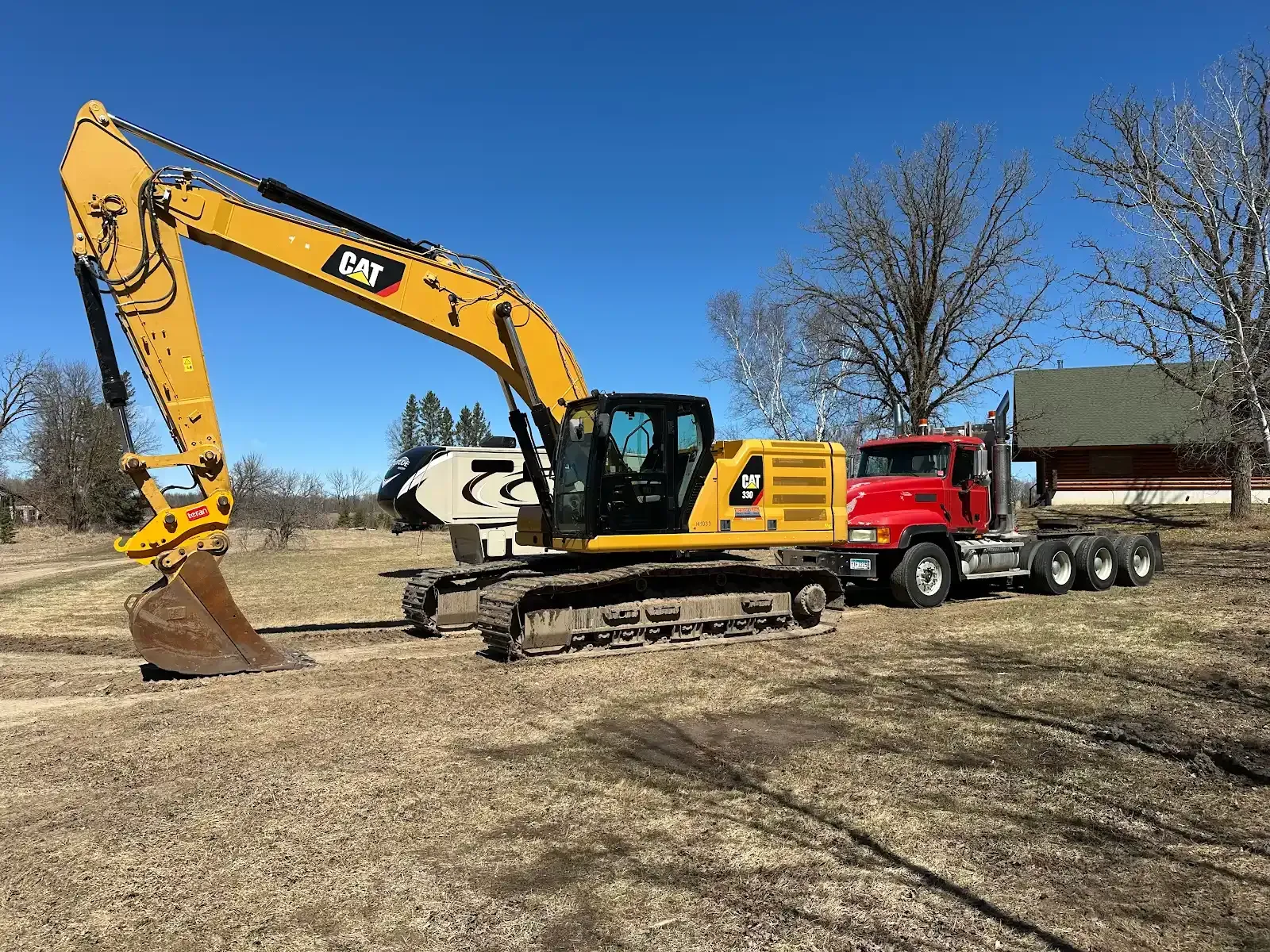
Maintenance projects begin by identifying the corridor boundaries and access requirements, then cutting vegetation to reestablish cleared widths that allow vehicle and equipment passage. Equipment operators remove brush systematically, addressing dense growth at ground level and cutting back overhanging branches that limit vertical clearance for utility trucks and inspection equipment.
After clearing work completes, utility access routes become visible and passable again, allowing inspection crews to reach pipeline markers, valve stations, and monitoring equipment without cutting through brush each time access is needed. Property owners regain visibility along boundary lines, drainage routes, and access paths that had become impassable, reducing fire risk from accumulated dead vegetation and improving sightlines for safety and management.
Maintenance frequency depends on vegetation growth rates and corridor usage—high-traffic utility routes may require clearing every few years, while less-used property access paths might need attention only when specific projects demand access. Northern Minnesota's growing season supports rapid regrowth in cleared areas, particularly where soil moisture and sunlight favor fast-growing species like aspen and willow.
What Property Owners Usually Ask
Questions about right of way maintenance often focus on clearing methods, regrowth management, and coordination with utility access schedules or property management plans.
What equipment is used for right of way clearing in wooded areas?
Maintenance typically involves brush cutters, mulching attachments, and excavators equipped to handle dense vegetation and small trees, with equipment selection depending on corridor width, terrain slope, and the size of vegetation being removed.
How is cleared vegetation handled after cutting?
Cut material can be chipped and spread on-site if permitted, piled for later removal or burning where regulations allow, or hauled off-site, with disposal method depending on volume, access, and landowner or utility company preferences.
When should right of way maintenance happen to minimize regrowth?
Cutting during late summer or fall reduces the energy woody plants store for regrowth, slowing reestablishment compared to spring cutting, though access needs and project schedules often dictate timing more than optimal vegetation control periods.
What regulations affect right of way clearing in northern Minnesota?
Utility corridors may have specific clearing standards defined by easement agreements or regulatory requirements, while property clearing follows local ordinances regarding burning, disposal, and wetland or waterway buffers that limit how close to sensitive areas vegetation can be removed.
How does pipeline industry experience improve right of way maintenance?
Understanding utility access requirements, safety protocols around pipeline markers and infrastructure, and efficient corridor management techniques developed over 18 years ensures clearing work supports safe operations without damaging buried lines or creating access hazards.
Reichert Excavating & Land Services LLC serves utility companies and property owners across northern Minnesota rural and wooded properties where maintaining workable access routes requires dependable equipment operation and attention to corridor standards. Contact us to discuss your right of way maintenance needs and schedule clearing services.