Surfaces That Actually Handle Traffic
Dirt & Gravel Work in Leonard for driveways, building pads, and access roads requiring stable ground support
Grading and material placement determine whether driveways wash out after spring thaw, whether building pads settle unevenly under new structures, or whether drainage areas channel water away from foundations as designed. Reichert Excavating & Land Services LLC prepares stable surfaces for rural properties, residential developments, and agricultural sites across Leonard and northern Minnesota, where seasonal ground conditions and uneven terrain require thoughtful grading techniques and proper material selection. Projects include hauling and spreading gravel for access roads, shaping dirt to create level building pads, and regrading areas where water collects or erosion has damaged existing surfaces.
Dirt and gravel work involves more than dumping material—operators grade surfaces to specific slopes that promote drainage, compact layers to prevent rutting under vehicle weight, and shape transitions between different elevations so equipment and vehicles move smoothly across the property. In northern Minnesota, freeze-thaw cycles and seasonal moisture changes affect how ground settles, which is why material depth and compaction matter for long-term surface stability.
Arrange a site consultation to review grading and material needs for your property improvement project.
What Changes After Grading Completes
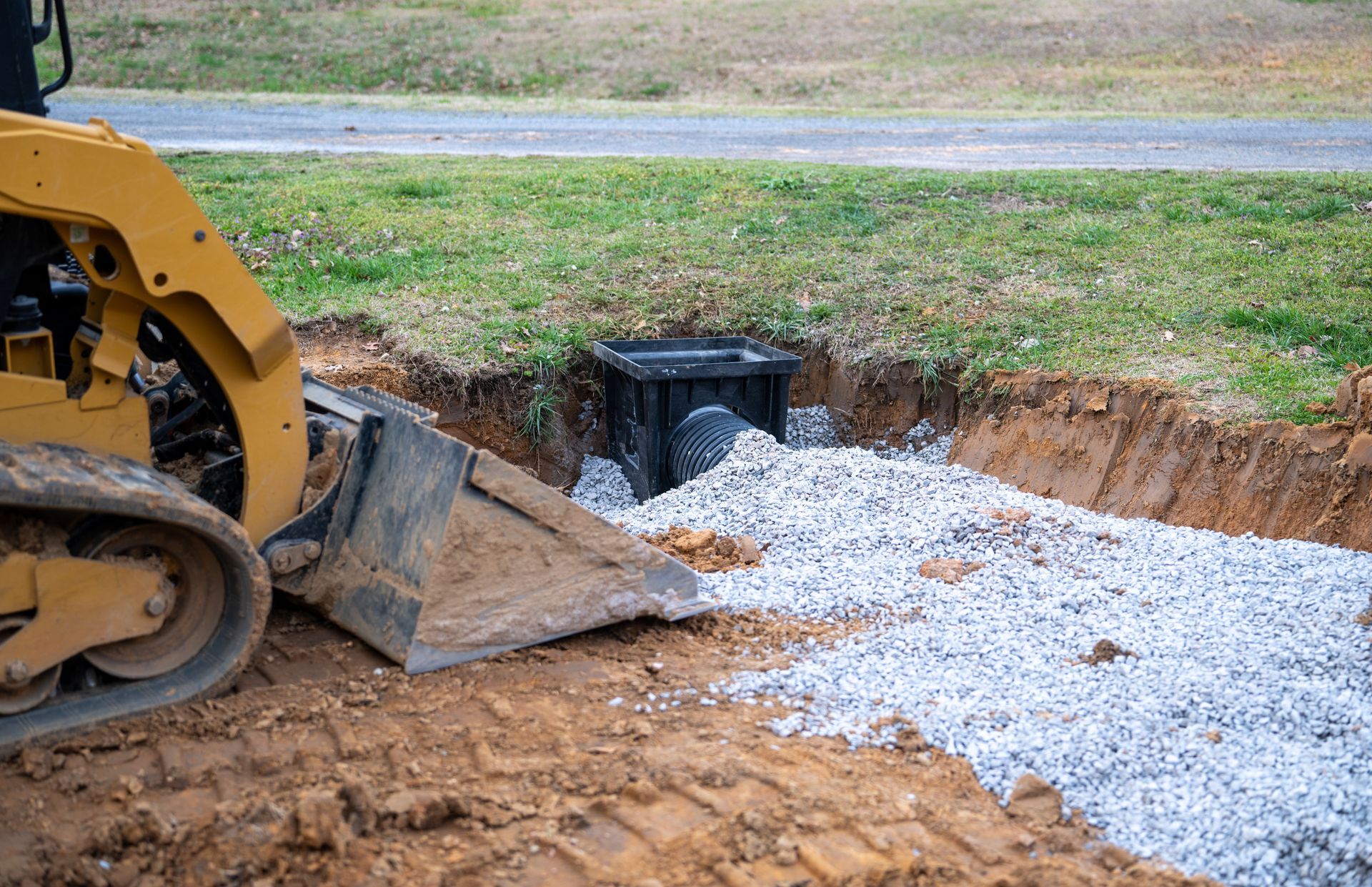
Proper grading starts with evaluating existing terrain and drainage patterns, then shaping ground to direct water away from buildings, prevent pooling in access routes, and create stable surfaces that support the intended use without excessive maintenance. Equipment operators adjust blade angles and material distribution to achieve target elevations, checking grade throughout the work to ensure consistency across the entire area.
Once dirt and gravel work finishes, driveways shed water instead of holding puddles, building pads sit level and firm enough for concrete pours or structure placement, and access roads allow trucks and equipment to reach work areas without getting stuck in soft ground. Gravel layers spread at appropriate depths provide a firm driving surface that resists rutting even during wet periods, while graded dirt areas drain predictably toward designated outlets rather than eroding in uncontrolled channels.
Material choice depends on the surface's purpose—driveways benefit from angular gravel that locks together under compaction, while drainage areas might use coarser rock that allows water infiltration. Reichert Excavating & Land Services LLC matches materials to project requirements and sources aggregate suitable for northern Minnesota conditions, where frost heave and moisture cycles test surface durability.
Common Questions About This Service
Property owners planning grading and material work often ask about material selection, drainage management, and how surfaces hold up through seasonal changes typical in northern climates.
What gravel types work best for driveways in Leonard?
Angular crushed rock compacts tightly and resists displacement under vehicle traffic better than rounded river gravel, providing a firmer surface that holds up through freeze-thaw cycles common in northern Minnesota.
How is proper drainage slope determined during grading?
Operators establish a minimum slope of two percent away from buildings and structures, adjusting based on terrain and soil conditions to ensure water moves off-site without creating erosion channels or washouts.
When should gravel be added or refreshed on existing driveways?
Gravel surfaces require periodic topping when material gets displaced by traffic or eroded by runoff, typically every few years depending on use intensity and weather exposure, with spring being a common time to assess and repair winter damage.
What depth of gravel is needed for a stable driveway surface?
Most rural driveways benefit from four to six inches of compacted gravel over properly graded subsoil, with depth increasing in areas that carry heavier loads or experience soft ground conditions during wet seasons.
How does soil type affect dirt work and grading outcomes?
Clay soils hold moisture and become slippery when disturbed, requiring careful compaction and sometimes gravel reinforcement, while sandy soils drain quickly but may need binder material to prevent loose surfaces that shift under traffic.
Reichert Excavating & Land Services LLC brings experience from projects completed throughout Leonard, Crookston, Bemidji, and surrounding areas, where managing uneven terrain and seasonal ground conditions produces reliable results. Request an estimate for dirt or gravel services to discuss your property's specific grading and material requirements.